
Description
Community Medical Service and Essential Drugs
Diploma – (Paramedical Sciences) – 1.5 Years
Diploma in Paramedical Sciences – 1.5 Years
A 1.5-year (18-month) Diploma in Paramedical Sciences is a specialized program designed to equip individuals with specific skills and knowledge for roles as allied health professionals. This diploma is typically focused on practical training and aims to prepare students for immediate entry into various healthcare settings. According to rmpindia.org, these courses are offered after completing 12th class.
Eligibility criteria
- Successful completion of the 12th standard (or equivalent) from a recognized board, preferably with a science background (Physics, Chemistry, Biology).
- Some courses, like the Diploma in Community Medical Service and Essential Drugs (CMS & ED), might accept students who have completed their 10th grade and have relevant work experience.
- There may be a minimum age requirement, often 17 years.
Admission process
- Admission is often based on merit (12th-grade marks) or through entrance examinations.
- Some institutions may conduct interviews or assessments of aptitude.
- The application process generally involves online or offline form submission and document verification.
Curriculum
The curriculum of a 1.5-year diploma program will focus on providing in-depth training in a specific paramedical specialization. It combines theoretical knowledge with hands-on practice.
- Core subjects: Anatomy, Physiology, Pathology, Pharmacology, Medical Ethics, and practical training in clinical settings.
- Specialized modules: Specific to the chosen field, such as Medical Laboratory Technology, Radiography, Operation Theatre Technology, Dialysis Technology, Emergency Medical Technician, Dialysis Technician, or Ophthalmic Technology.
- Internship: Many programs include a practical internship component, which might involve working in a hospital or clinic setting.
Career opportunities
Graduates can find employment in various healthcare settings, including hospitals, diagnostic centers, clinics, and rehabilitation centers.
- Medical Laboratory Technician (MLT): Performing tests and analyzing samples in labs.
- Radiology Technician: Operating imaging equipment like X-ray machines.
- Operation Theatre Technician (OTT): Assisting surgeons during operations.
- Dialysis Technician: Operating and maintaining dialysis machines.
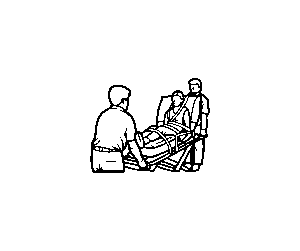
- Emergency Medical Technician (EMT): Providing pre-hospital care in emergency situations.
- Medical Assistant: Assisting doctors with patient care and administrative tasks.
Salary expectations
Entry-level salaries for diploma holders typically range from INR 2.5 lakh to INR 4 lakh per annum. With experience and specialized skills, salaries can increase significantly, potentially reaching INR 8 lakh or more, according to Ambedkar Group of Institution. Salaries are influenced by factors like location, employer (government vs. private), and specific specialization.
Top colleges
Many institutions in India offer Diploma in Paramedical Sciences programs. Some notable ones include :
- All India Institute of Medical Sciences (AIIMS)
- Christian Medical College (CMC)
- Postgraduate Institute of Medical Education and Research (PGIMER)
- Jamia Hamdard
- Teerthanker Mahaveer University (TMU)
- Manipal Academy of Higher Education
Further education
After completing a 1.5-year diploma, individuals can pursue higher education options for career advancement, including:
- Bachelor’s Degree in Paramedical Sciences: Such as a B.Sc. in Medical Laboratory Technology or a B.Sc. in Radiology and Imaging Technology.
- Specialized Certificate or Diploma courses in areas of specific interest.